Why preventive dental care is always worth the investment


Daniel Crawford

Oral Health & Prevention

9 min.

April 27, 2026

April 27, 2026
Most people know they should visit the dentist regularly — but fewer understand why the two-visit-per-year recommendation exists and what actually happens during a preventive check-up.
Regular dental check-ups are the single most effective thing most people can do to maintain their oral health and avoid costly, complex treatment in the future. Yet the majority of adults attend only when they have a problem — by which point, treatment is almost always more involved than it would have been with earlier detection.
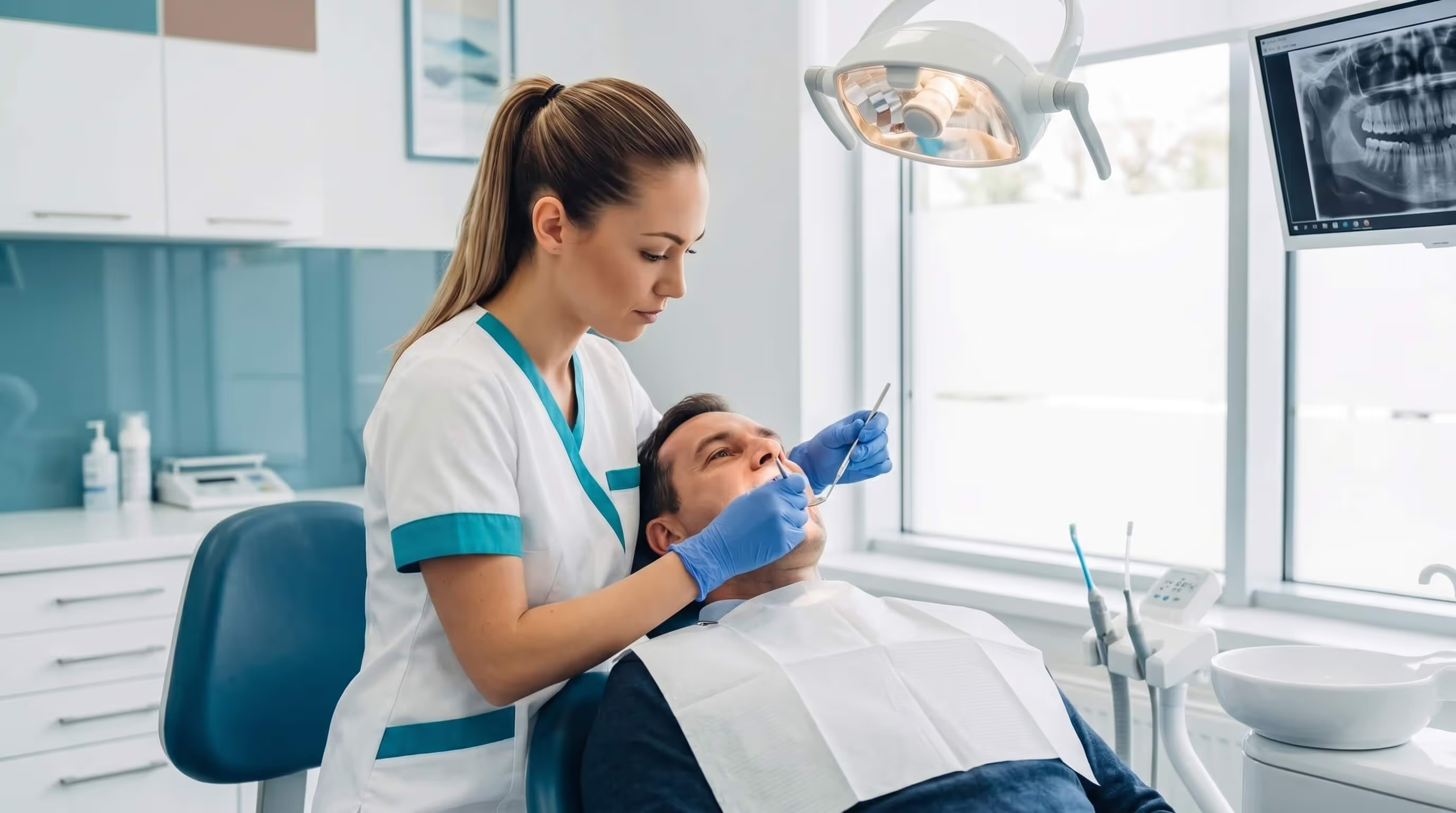
A preventive dental appointment is not simply an examination. It is a structured clinical assessment designed to identify risk factors, detect early-stage disease, and provide personalised advice that helps each patient maintain their oral health between visits. When performed consistently, it significantly reduces the lifetime cost and complexity of dental care.
- Early-stage caries can be treated with preventive fluoride protocols rather than restorations
- Gum disease detected early is manageable with hygiene treatment — advanced periodontitis is not fully reversible
- Oral cancer screening at every check-up increases the likelihood of early detection significantly
What happens at a preventive check-up
Every check-up at Caliora begins with a full soft tissue examination, including a visual oral cancer screening of the lips, tongue, floor of mouth, and soft palate. This is followed by a tooth-by-tooth assessment recording any changes in existing restorations, signs of wear, new carious lesions, and sensitivity. Periodontal pocket depths are charted at least annually to monitor gum health. Radiographs are taken at clinically appropriate intervals to detect interproximal decay and bone level changes that are invisible to the naked eye.
- Radiographic intervals are based on individual risk assessment, not a fixed annual schedule
- BPE periodontal scores are recorded at every appointment to track gum health over time
- Dietary, hygiene, and lifestyle risk factors are discussed and personalised advice provided
Building a long-term preventive plan
The interval between check-ups should reflect your individual risk profile, not a generic recommendation. High-risk patients — those with active gum disease, xerostomia, high sugar intake, or complex restorative histories — benefit from three-monthly appointments. Lower-risk patients with stable dentitions and good hygiene can often maintain health with annual or biannual reviews. We assess and recommend recall intervals individually at every appointment.
- Recall intervals of three, six, or twelve months are set based on clinical risk, not convenience
- Consistent attendance at the recommended interval is more important than the interval itself
- Children benefit from six-monthly check-ups throughout dental development — early intervention changes long-term outcomes
"The patients who maintain the best oral health over decades are almost always those who attended consistently and followed personalised preventive advice. The investment in time is small. The return is significant."